Hampshire · England
Artex Removal in Blackmoor
Artex removal across Blackmoor, for houses, flats and commercial buildings. Every job is quoted in writing.
- Loft conversions and extensions
- Ceilings before skimming
- Ceilings coming down
Artex removal for Blackmoor
What it might be made of
Artex ceilings
Swirl, stipple and other patterns on ceilings are the most common textured coatings.
Coated plasterboard
The coating sits on plasterboard or plaster. Sometimes it’s simpler to remove the boards whole.
About our artex removal in Blackmoor
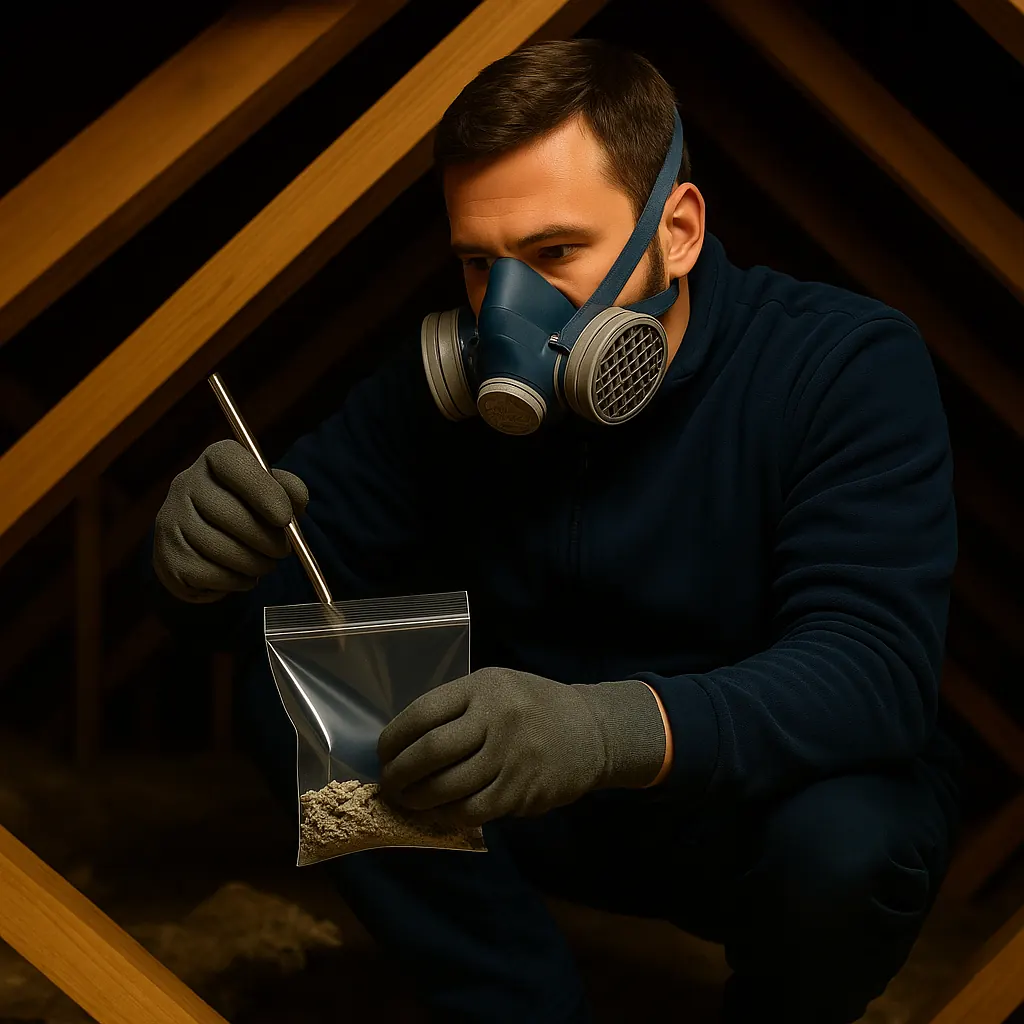
Artex and similar coatings are common on ceilings in Blackmoor, and older ones can contain a little asbestos. We test first, then remove the coating with controlled wet methods if needed. Common materials are Artex ceilings, stipple finishes and swirl patterns, and people typically contact us about coatings scraped during DIY and rented flats before redecoration.
Rural homes near Blackmoor have often been altered over generations, so ceilings may have been coated during an earlier renovation. Every quote is in writing and spells out what’s covered, so there are no surprises.
- Location
- Blackmoor (GU33)
- Region
- Hampshire
- Covers
- Testing and removal of textured coatings
- You receive
- Result and waste note
- Price
- A written quote before work starts
- Phone
- 07833 053 749
- Updated
- 26 October 2026
Landlords, managing agents and employers
If you run a business from older premises in Blackmoor, you should have an asbestos register and management plan, and contractors must be told what’s there.
Schools, halls and community buildings are non-domestic premises, so whoever runs them has a duty to manage asbestos.
Also in Blackmoor
What happens
The coating is softened with water, steam or gel and removed with hand tools, never sanded or scraped dry. Before anything starts, we confirm the areas and materials with you, so there is no confusion.
- Describe the rooms and coatings
- We sample the coating first
- We plan the method and quote
- The room is sealed off and the coating removed wet, never sanded or dry-scraped
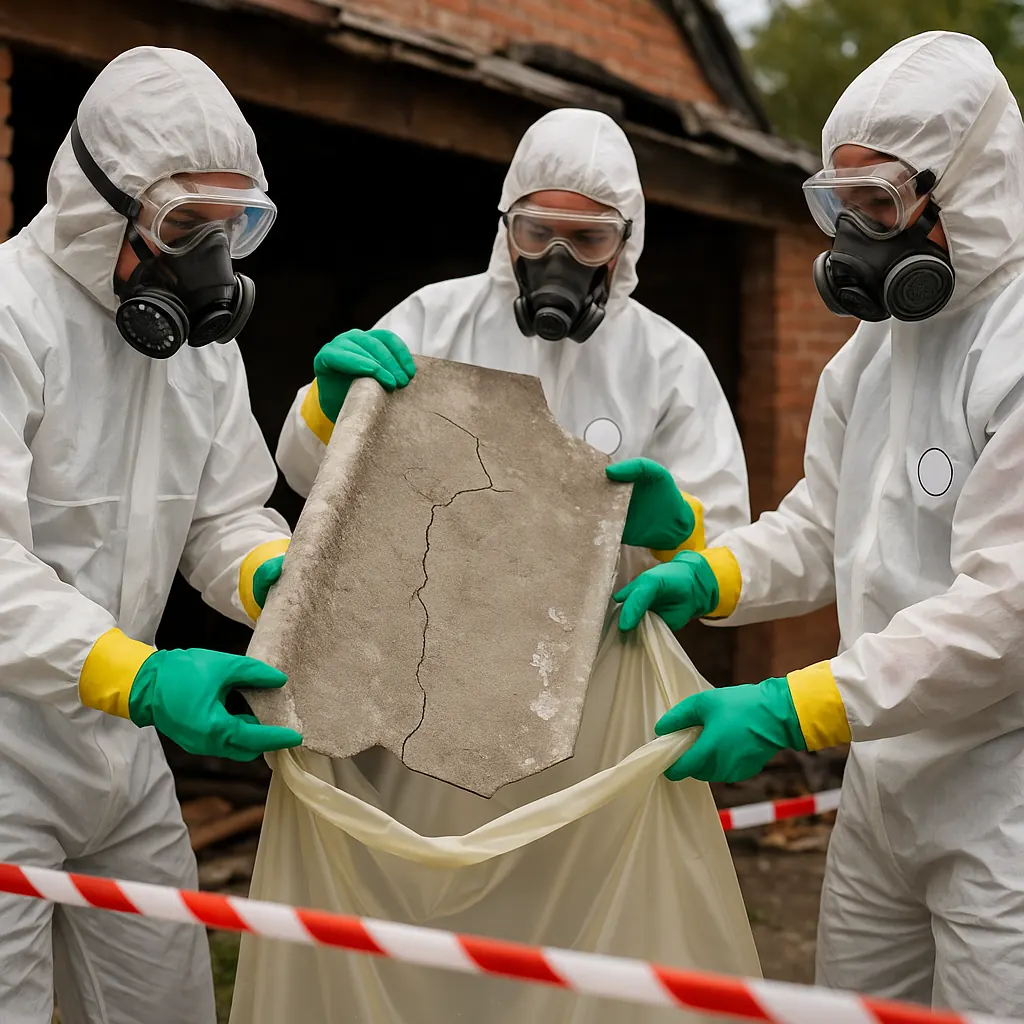
- We clean up and dispose of the waste legally
Getting ready
- Move things out of the way carefully
- Make sure pets and children are elsewhere
- Let neighbours know if the work is near them
Ask for a quote
Include any existing survey or test when you ring 07833 053 749, or send the details through our contact page; it helps us quote accurately.
Related guides
Afterwards
If you’ve covered a coating rather than removed it, record where it is.
To avoid problems in future:
- Each different coating needs testing
- Plan where you’ll stay or work while rooms are closed off
- Clear the rooms before the work
- Send photos of the coatings
Things not to do
Never sand or dry-scrape Artex before testing.
Do not sand, scrape dry or wire-brush a textured coating before it’s been tested.
Prices and what affects them
When we quote, we look at:
- Waste quantity and disposal
- Parking and access charges
- Access: height, lofts, steps and space
- How many samples are needed
The cost of Artex removal depends on the job: the materials, the amount, access and what paperwork is needed. Every quote is individual.
What to photograph
The most useful photos are:
- An overall view
- The parking area
- Cracks or breaks
- A closer photo of the material, without touching it
Photos and a postcode help us quote quickly: just use our quote form or call 07833 053 749.
Typical Artex jobs in Blackmoor
Many electricians and plasterers ask for a test result before working on textured ceilings.
Common situations in older properties include:
- Ceilings coming down
- Rented flats before redecoration
- Coatings in the way of electrical work
- Textured walls before a refit
Older homes across Blackmoor may have coatings added during past renovations.
What your quote should include
- Which areas and materials are covered
- VAT, clearly stated
- Whether they’re insured for asbestos work
- Which laboratory analyses samples
Textured ceilings in Blackmoor
Blackmoor is about 5 miles south-east of Alton, in Hampshire. Properties in Blackmoor range from older houses to newer estates and commercial buildings, and anything from before 2000 may contain asbestos. Blackmoor is one of 683 towns and villages in Hampshire we cover. Our area stretches from Blackmoor to Guildford (about 17 miles away).
For a school such as St Matthew's Church of England Aided Primary School, the duty holder’s records should show any coatings, before decorators start. If you’re refurbishing a rental near Liss station, textured ceilings can be tested between tenancies. Parts of the South Downs National Park are within about 7 miles of Blackmoor, and older rural homes there often have textured ceilings from past renovations.
Artex jobs anywhere in GU33 start with the postcode and some photos. Streets in the area include Blackmoor Road and Sotherington Lane, and Artex removal is available on all of them. If your property is just outside Blackmoor, we also cover Woolmer (1 mile south-east), Greatham (1 mile south), Longmoor (2 miles south-east), Passfield (2 miles east) and Weavers Down (3 miles south-east). Further out, we also cover Basingstoke (15 miles north-west), Farnborough (15 miles north), Fleet (13 miles north), Horndean (14 miles south-west), Aldershot (12 miles north-east) and Alton (5 miles north-west).
A little further out are The Romany Museum (2.3 miles west) and Chase Community Hospital (1.4 miles north-east). Green spaces nearby include Selborne Hill and Deadwater Valley.
- Nearby schools include Mill Chase Academy (2.1 miles north-east)
Blackmoor: your questions answered
Do older homes in Blackmoor have asbestos?
That depends on when it was built and altered: asbestos was used until the 1999 ban, so older homes and older alterations in Blackmoor can contain it. Garage roofs, Artex, floor tiles, soffits and flues are typical examples.
Do you work near Liss station?
Yes, we cover Blackmoor and the area towards Liss station, about 3.5 miles south.
Is Artex removal licensed work?
Normally not: HSE treats textured coating work as normally non-licensed, though large steam or gel jobs are notifiable.
My builder has found asbestos. What now?
Work there should pause and the area be kept clear. We can test the material and, if needed, plan its removal.
Does asbestos always have to come out?
Not necessarily. Sound material that will not be touched can often stay, as long as it’s recorded.
Do I need to be at home?
Someone has to let us into all the areas in the job.
Which asbestos work needs a licence?
Licensed work is work on the materials most likely to release fibres: lagging, sprayed coatings and most asbestos insulating board. Only a contractor holding an HSE licence can do it.
Do you cover Blackmoor?
Yes, we do: Blackmoor is within the area we cover in Hampshire. Share the postcode and a short description for a quote.
What’s included, and what is not
Before you book, note that:
- We test before removal, since a negative result changes everything
- Big jobs need notifying in advance, which affects the start date
- Plastering and making good are generally separate jobs
Not sure what you need? Send us photos and we’ll tell you honestly.
What we deal with
- Coated plasterboard
- Textured walls
- Swirl and stipple patterns
- Ceiling roses and cornices (coated)
- Patched or painted coatings
- Artex ceilings
Should you do it yourself?
HSE advises the public not to repair or remove asbestos themselves. Higher-risk materials such as lagging, sprayed coatings and most insulating board must only be dealt with by an HSE-licensed contractor.
Home testing kits exist, but you have to disturb the material to use one. HSE advises that samples are best taken by a competent person.
- Nothing removed blind: unknown materials are tested first
- Work planned to the Control of Asbestos Regulations 2012 and HSE guidance
- Written paperwork: reports, results and waste consignment notes
- Waste sealed and labelled, then taken to a permitted site