How it works
How it works
From your first message to the paperwork at the end.
Step by step
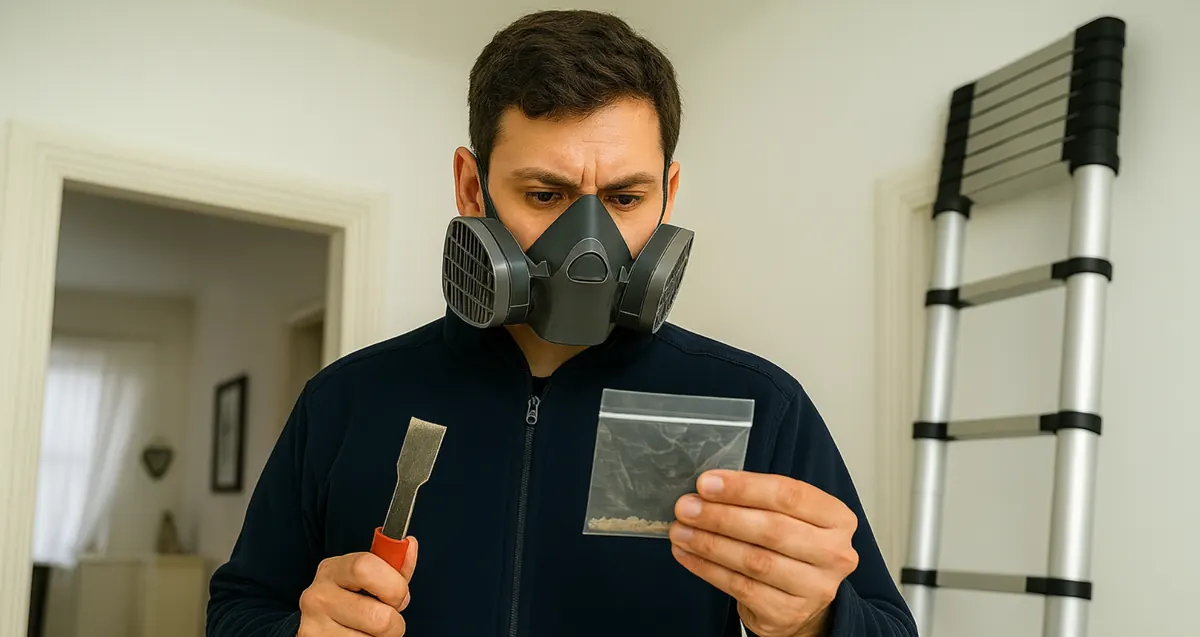
- Tell us what you’ve found or what you’re planning. The address or postcode, what the material is and where, what work you’re planning and any existing survey or test. Photos help a lot.
- We work out what’s needed. If the material hasn’t been identified, the first step is a sample test or a survey. If it has, we can plan the removal.
- You get a written quote. It says what’s included: the survey type and areas, the number of samples, or the removal method, the waste and the paperwork.
- We do the work. Surveys and sampling are done with controls to keep dust down. Removal follows HSE guidance for the material, with the work area set up first.
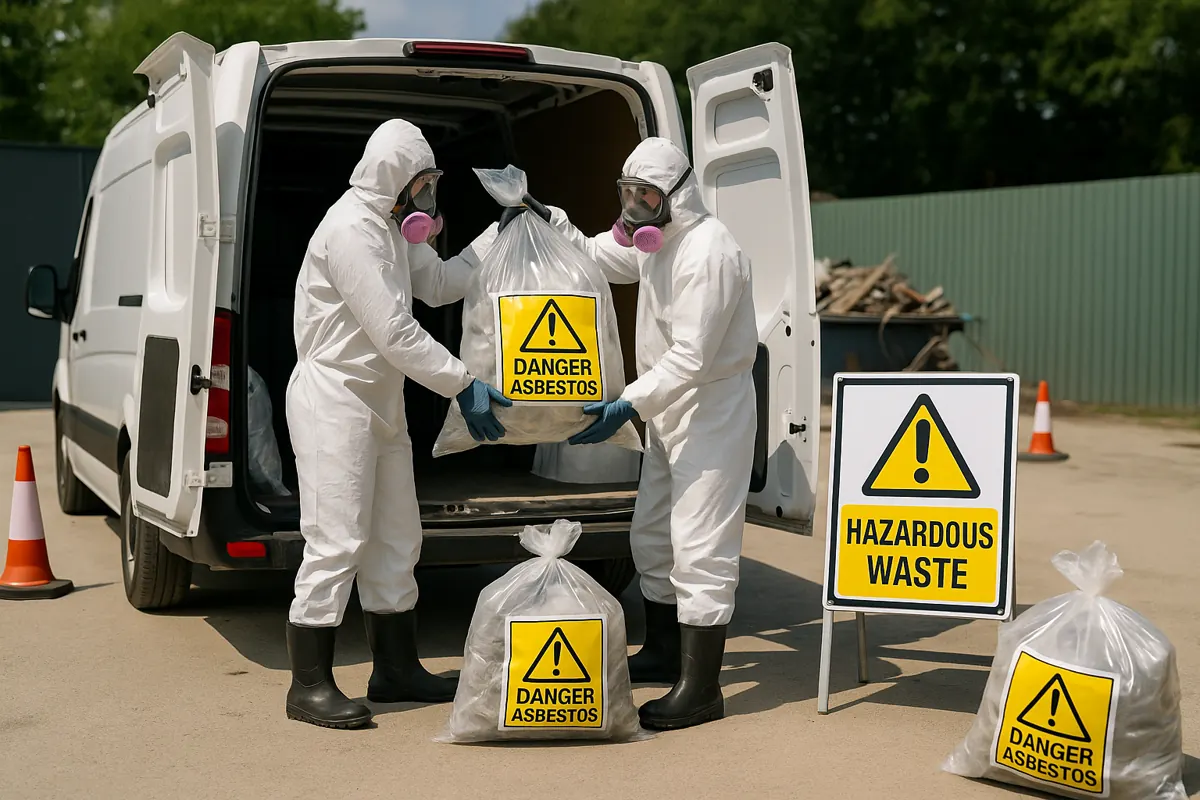
- You get the paperwork. A survey report, laboratory results, or a waste consignment note.
Before we arrive
- Don’t disturb the material you’re worried about
- Clear access to the area, the loft hatch or the garage
- Keep children and pets away from the work area
- Tell us about parking and access, especially in London
Licensed, notifiable or non-licensed?
Most asbestos cement, textured coatings and floor tiles are non-licensed or notifiable non-licensed work. Lagging, sprayed coatings and most insulating board are licensed work and must be done by a contractor holding an HSE licence. Read the difference explained.
Ready to start? Ask for a quote
- Survey or test first when it isn’t clear what a material is
- Work planned to the Control of Asbestos Regulations 2012 and HSE guidance
- Written paperwork: reports, results and waste consignment notes
- Asbestos waste double-bagged or wrapped and taken to a permitted site