West Sussex · England
Artex Removal in Patching
Artex removal in Patching and across West Sussex: Artex removal, with testing first, with written paperwork.
- Ceilings due to be knocked through or removed
- Textured walls before a refit
- Rented flats before redecoration
Asbestos help in Patching
About our artex removal in Patching
Taking down the plasterboard can be easier than stripping the coating. We will talk you through the options for your rooms in Patching. Common materials are textured walls, coated plasterboard and stipple finishes, and typical jobs are ceilings before skimming and textured walls before a refit.
In a village like Patching, textured coatings turn up in cottages and later homes alike, often added during past renovations. Not sure what you need? Just ask: we will tell you honestly whether it’s a test, a survey or removal.
- Location
- Patching (BN13)
- Region
- West Sussex
- What we do
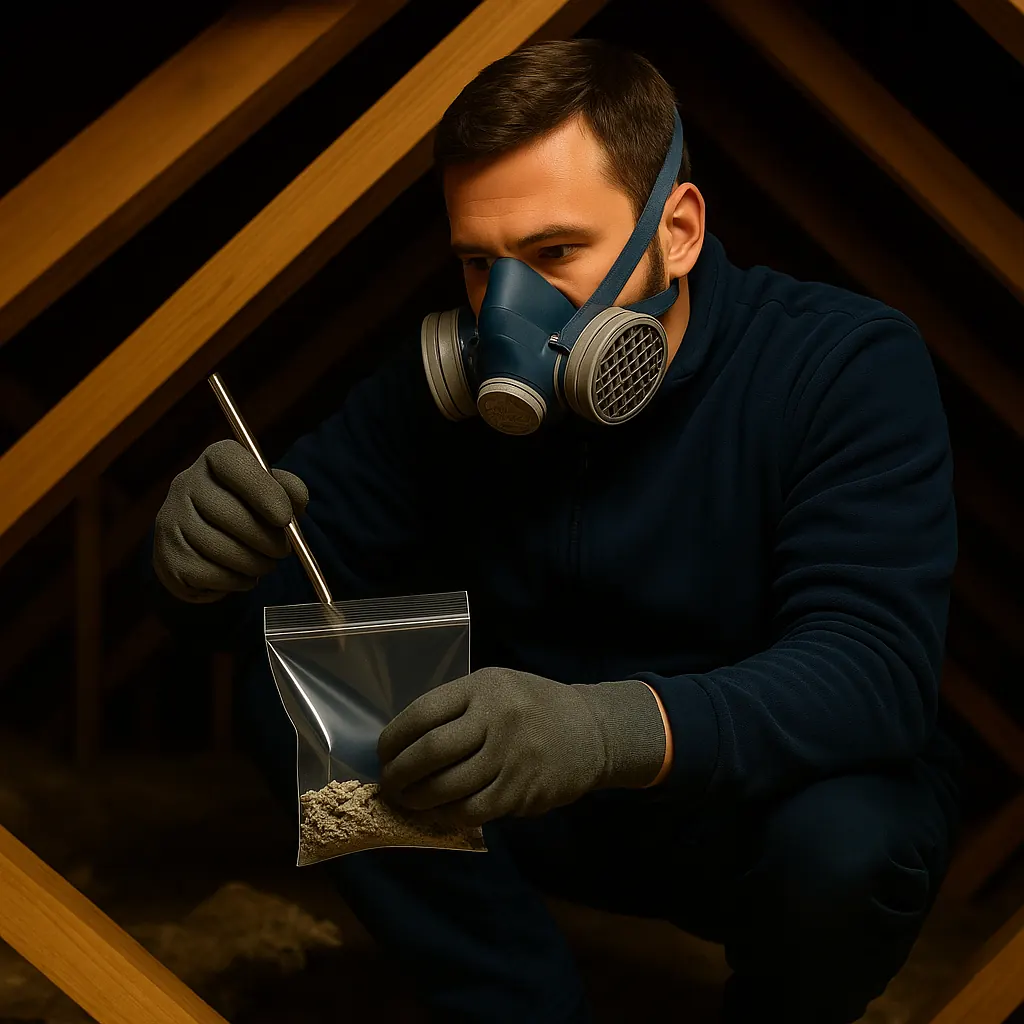
- Artex tested, then removed with wet methods
- Afterwards
- Test result and waste paperwork
- Quote
- Quoted individually, in writing
- Telephone
- 07833 053 749
- Page updated
- 26 October 2026
Artex removal around Patching
Patching is about 3 miles north-west of Worthing, in West Sussex. For Artex jobs in Patching, tell us about parking and access when you get in touch. We cover all 371 towns and villages across West Sussex. We work right across the region, from Patching to Brighton (14 miles away).
For a school such as Clapham and Patching CofE Primary School, the duty holder’s records should show any coatings, before decorators start. In older homes in Patching, textured ceilings were often added in later decades. Patching is within about 6 miles of the South Downs National Park, and older rural homes there often have textured ceilings from past renovations. The coast is within about 5 miles of Patching; indoor work like textured coating removal isn’t affected by the weather.
Anywhere in BN13, Artex removal is available. We can help with Artex jobs on streets such as The Street and Coldharbour Lane or the roads around them, wherever it is in Patching. If your property is just outside Patching, we also cover Clapham (1 mile south-east), Hammerpot (2 miles west), Cote (2 miles east), Angmering (2 miles south-west) and Hangleton (2 miles south). Further out, we also cover Worthing (3 miles south-east), Bognor Regis (11 miles west), Chichester (14 miles west), Littlehampton (4 miles south-west), Shoreham-by-Sea (8 miles east) and Lancing (6 miles east).
Well-known places in the area include Museum of Sussex Folklore (3.1 miles south-east) and Old Castle (3.1 miles south-east). Open spaces near Patching include WWT Arundel and Highdown Hill.
- Schools near Patching include The Angmering School (2.2 miles south-west)
- Local pubs include The Fox pub (0.8 miles south-west)
Common questions in Patching
Do older homes in Patching have asbestos?
It depends on its age and history: asbestos products were used until 1999, so pre-2000 homes and extensions in Patching may have it. Garage roofs, Artex, floor tiles, soffits and flues are typical examples.
Do you work on properties in the South Downs National Park?
Yes, the same rules apply there, though access to rural buildings may need planning.
How much does Artex removal cost in Patching?
It depends on the area, the method and the waste, so we quote after testing.
What should I do if I’ve disturbed asbestos?
Stop, keep people away from the area and don’t sweep or vacuum up debris. Then get advice; if you’re worried about your health, speak to your GP.
Should I check for asbestos before buying?
Yes, a pre-purchase survey can help, with the seller’s permission.
When can you start?
Dates are agreed once the quote is accepted. Notifiable jobs cannot start until they’ve been notified.
What if asbestos is found during building work?
The builder should stop and close off the area. We can test the material and, if needed, plan its removal.
Do you work in Patching?
We do: Patching is within the area we cover in West Sussex. Share the postcode and a short description for a quote.
The process
For board removal, we take the boards down in whole pieces. Parking close by makes the day easier.
- Send photos of the textured surfaces
- We arrange testing
- We talk through the options
- We carry out the removal
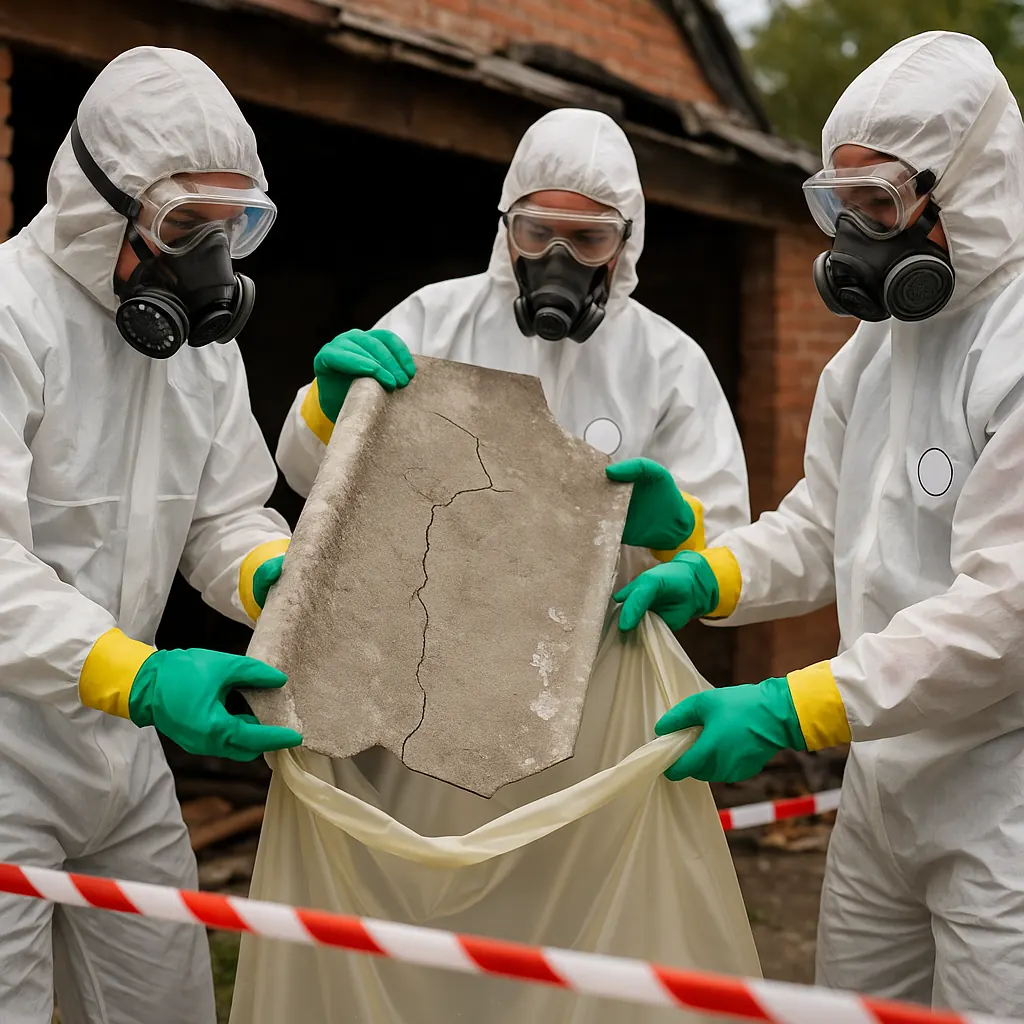
- We dispose of the waste legally
Before we arrive
- Move belongings away from the area, without touching the material
- Keep away from the material in the meantime
- Have any previous surveys or test results ready
Get a quote
If you have a survey or test result, include it when you fill in the enquiry form or give us a call on 07833 053 749.
Helpful guides
Duty holders and landlords in Patching
Before contractors start, they need to know about any asbestos. HSE’s campaigns stress this point to building owners and trades alike.
Between tenancies is a good time to deal with asbestos, while the property is empty.
Common reasons for Artex jobs in Patching
Renovations disturb coatings: sanding, dry scraping or drilling releases fibres.
Common situations in older properties include:
- Coatings scraped during DIY
- Coatings in the way of electrical work
- Ceilings due to be knocked through or removed
- Ceilings before plastering
If you are refurbishing a rental near Goring-By-Sea station, textured ceilings can be tested between tenancies.
What your quote should include
- How fibres will be kept down
- Whether VAT is included
- Which areas and materials are covered
- Where the waste goes, with paperwork
How we price Artex removal
When we quote, we look at:
- The survey scope
- How much there is
- Access: height, lofts, steps and space
- Disposal costs
A test can sometimes save the cost of removal altogether, because the material is clear.
What to photograph
The most useful photos are:
- Approximate dimensions
- The parking area
- Any damage, cracks or broken pieces
- A closer photo of the material, without touching it
Not sure what you need? Send photos through our quote form, or phone 07833 053 749 and describe the problem, and we will recommend the right option.
After we’ve finished in Patching
If you’ve covered a coating rather than removed it, record where it is.
Staying safe afterwards:
- Keep the results and paperwork
- Line up the plasterer for afterwards
- Plan where you’ll stay or work while rooms are closed off
- Empty the rooms in advance
Avoid these
Do not drill or cut into textured ceilings until you know what they contain.
Do not drill or cut into textured ceilings until you know what they contain.
What else we do in Patching
Weighing up your options
Test, leave, cover or remove? If it’s intact and no work will go through it, leaving or covering can make sense; for smooth ceilings or work through the ceiling, removal is usually best. What you pay depends on the job itself: the materials, the amount, access and what paperwork is needed. Every quote is individual.
What you get
- Honest advice, even when the answer is to leave it
- Domestic and commercial work
- Records for your files
- Written quotes that say what’s included
Read how we price jobs and the cost guide.
Materials, one by one
Painted coatings
We sample through the paint into the coating.
Coated plasterboard
Board removal avoids stripping.
The scope of Artex removal
To be clear about the scope:
- Other asbestos materials found in the room are dealt with separately
- We test before removal, since a negative result changes everything
- We leave the surface ready for your plasterer
If you’re unsure, describe the job and send photos, and we will advise before booking.
Common materials
- Artex ceilings
- Coated plasterboard
- Textured walls
- Swirl and stipple patterns
- Ceiling roses and cornices (coated)
- Patched or painted coatings
- Nothing removed blind: unknown materials are tested first
- Work planned to the Control of Asbestos Regulations 2012 and HSE guidance
- Paperwork for your records: reports, lab results and consignment notes
- Waste sealed and labelled, then taken to a permitted site