Kent · England
Asbestos Removal in Crockhurst Street
Asbestos removal in Crockhurst Street: asbestos removal with waste paperwork. Send us photos and we’ll tell you what you need.
- Broken sheets in gardens
- Old floor tiles and black adhesive
- Cement flues and gutters
Asbestos removal for Crockhurst Street
Asbestos removal in Crockhurst Street
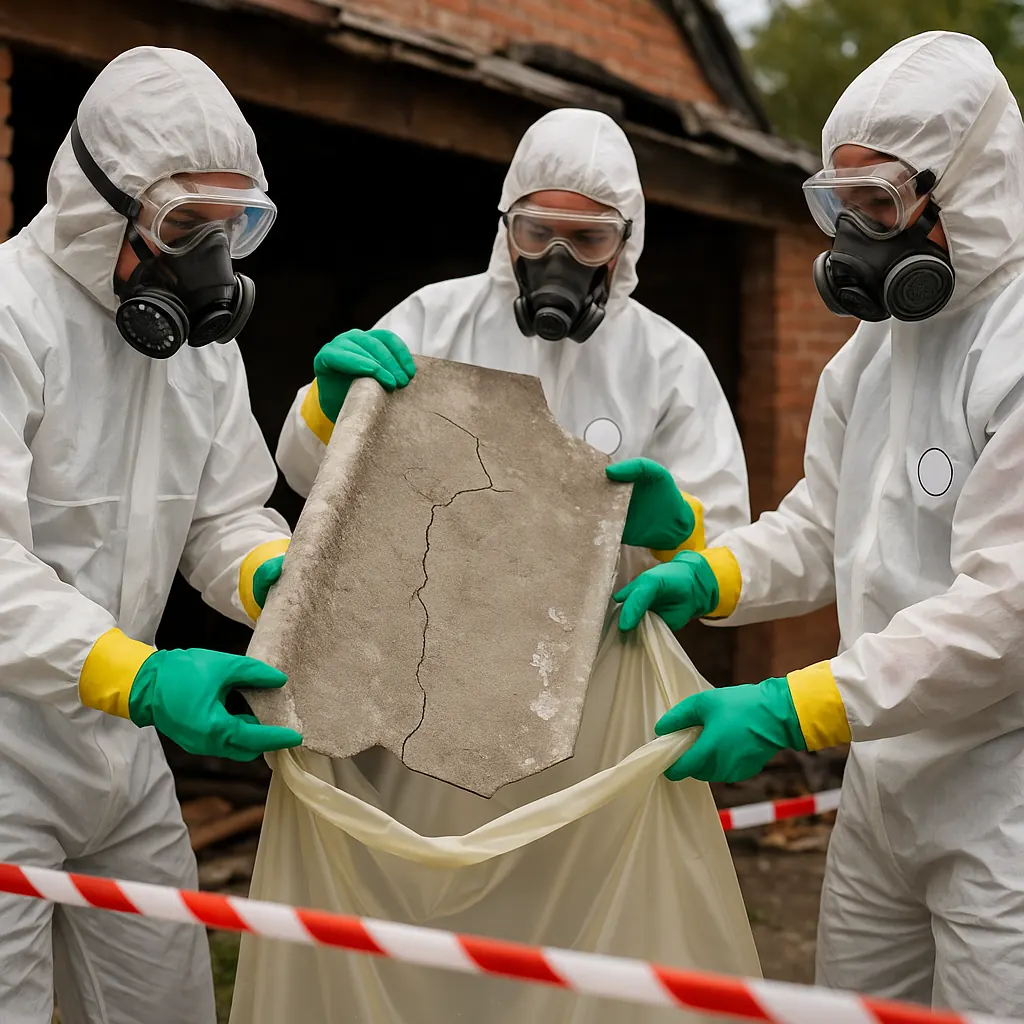
We remove asbestos from homes, rented property and commercial buildings across Crockhurst Street: cement sheets and roofs, flues, tanks, gutters, textured coatings and floor tiles. Every job is planned to HSE guidance, with the waste taken to a permitted site. Typical jobs include Artex before plastering and loft water tanks, involving cement soffits, cement roof sheets and gutters and downpipes.
Rural removal near Crockhurst Street can mean longer distances to carry waste, so the route is planned in advance. We follow HSE guidance and the Control of Asbestos Regulations 2012, whatever the size of the job.
- Area
- Crockhurst Street (TN11)
- Region
- Kent
- Covers
- Asbestos removal to HSE guidance
- Paperwork
- Waste paperwork
- Quote
- A written quote before work starts
- Call
- 07833 053 749
- Last updated
- 26 October 2026
What happens next
Making good, such as a new roof or ceiling, is normally a separate job, so plan it before the removal date.
Once we’re done:
- Photos of the material and the route in help
- File the consignment note
- Move belongings away, but leave the asbestos alone
- Let us know where we can park
What to avoid
Do not sweep, vacuum or brush up broken asbestos debris.
Do not put asbestos in household bins or skips.
Places near Crockhurst Street
Also in Crockhurst Street
Step by step
We start by setting up and segregating the work area, and keep the material wet as we work. While we work, the area stays out of bounds, so arrange for pets and children to be elsewhere. Late-December sunset in Crockhurst Street is about 3:55pm, so we start outdoor work early in the day.
- Start with photos, the postcode and any existing reports
- We confirm what the material is and what category of work it falls into
- We quote in writing, including the waste
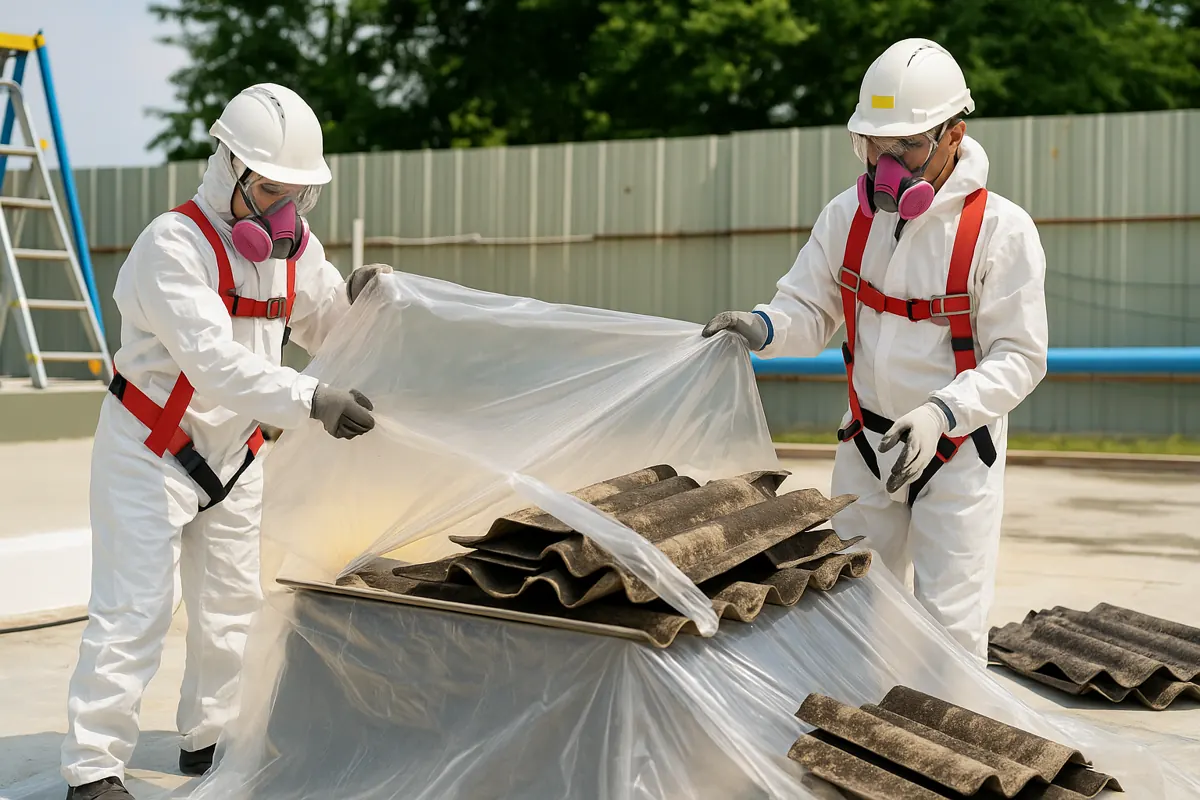
- We set up, keep the material damp and take it out whole where we can
- Everything is cleaned up, and the waste paperwork follows
Getting ready
- Mention any parking restrictions
- Keep away from the material in the meantime
- Find any old asbestos reports
Ask for a quote
Unsure whether you need a test, a survey or removal? Ring 07833 053 749, or send the details through our contact page, and we will recommend the right option.
Related guides
Why people call us in Crockhurst Street
Refurbishment and demolition are the most common reasons for removal: anything the work would disturb should be dealt with first.
Get advice if you’re dealing with any of these:
- Artex before plastering
- Flue pipes, gutters and downpipes
- Garage roof sheets
- Loft water tanks
Landlords near Tonbridge station often time removal for when a property is empty.
Questions to ask before booking
- How the work will be done, and the controls used
- The scope of the job, in writing
- How the waste will be disposed of, and whether you’ll get a consignment note
- What category of work it is
Asbestos removal in Crockhurst Street: local notes
Crockhurst Street is about 2 miles south-east of Tonbridge, in Kent. We work across Crockhurst Street and the surrounding area, from older terraces and semis to flats, workplaces and outbuildings. Crockhurst Street is one of 922 towns and villages in Kent where we work. You can also see our page for Crawley, about 23 miles away.
Older buildings in Crockhurst Street, near Church of All Saints or elsewhere, may have asbestos in later alterations rather than the original fabric, so materials are identified first. At a school such as Capel Primary School, removal would be arranged with the duty holder, with the area empty.
Removal jobs anywhere in TN11 start with the postcode and some photos. Neighbouring places we cover include Tudeley (1 mile north-west), Tudeley Hale (1 mile north), Capel (1 mile east), Five Oak Green (1 mile east) and Colt's Hill (2 miles east). Further out, we also cover Maidstone (11 miles north-east), Sevenoaks (9 miles north-west), Royal Tunbridge Wells (4 miles south-west), Kings Hill (7 miles north-east), Foley Park (11 miles north-east) and Paddock Wood (3 miles east).
Nearby you’ll also find Tonbridge Castle (2.5 miles north-west) and Tonbridge Cottage Hospital (2.2 miles west). The countryside around Crockhurst Street includes Tudeley Woods RSPB reserve and Barden Lake.
- Local schools include The Schools at Somerhill (1.1 miles west) and Hillview School for Girls (1.8 miles west)
- Nearby, you’ll find The George And Dragon Public House (0.6 miles east)
Can I do it myself?
A professional job comes with paperwork: a record that buyers, insurers and builders may want to see.
Fragile roofs are a serious falls risk, quite apart from the asbestos, so stay off it.
Which option is right?
Dealing with asbestos before work starts keeps the project on track, when everything has to wait for it to be dealt with. Dealing with asbestos before building work is generally cheaper than finding it mid-job, when the whole project can be held up.
Why choose us
- Samples analysed by an accredited laboratory
- Covering London and the South East
- Houses, flats and business premises
- Records for your files
A closer look at the materials
Textured coatings
Textured coatings are removed with wet or gel methods, never dry-scraped or sanded. Larger-scale steam or gel removal is notifiable non-licensed work.
Water tanks and flues
Cement water tanks and flues are drained or disconnected first, then removed whole or in as few pieces as possible.
Common questions in Crockhurst Street
Do older homes in Crockhurst Street have asbestos?
If your home in Crockhurst Street was built or refurbished before 2000, it may, but only a test can confirm it. Look at garage roofs, textured ceilings, old floor tiles, soffits and flues.
How far is Crockhurst Street from London?
Crockhurst Street is about 29 miles from central London, well within our area.
Is a home built after 2000 likely to contain asbestos?
Asbestos was banned in 1999, so buildings built after 2000 shouldn’t contain it, but older parts and reused materials can still contain it.
Can asbestos go in my bin?
No: asbestos waste is hazardous and cannot go in skips, bins or recycling. It must go to a permitted site.
Is asbestos removal licensed?
Sometimes: licensed work covers lagging, sprayed coatings and most insulating board; cement and textured coatings normally aren’t licensed.
Should all asbestos be removed?
Not necessarily. Sound material that will not be touched can often stay, as long as it’s recorded.
Do you test before removing asbestos in Crockhurst Street?
If it hasn’t been identified, yes. The removal method depends on the material.
Can you help with a shop or office?
We do, alongside homes. The duty holder should be able to share the asbestos register.
Duty holders and landlords in Crockhurst Street
Community buildings count as non-domestic premises, so the duty to manage applies.
Before maintenance in a rented home, agents may ask about asbestos. A test or a survey gives everyone a clear answer.
What we do and don’t cover
Here’s what asbestos removal covers, and what it doesn’t:
- We do not remove anything until it’s been identified
- Making good is normally a separate job
- Removal in strong wind or heavy rain may need rescheduling
Not sure what you need? Send us photos and we will tell you honestly before booking.
Materials we see
- Artex and textured coatings
- Soffits (cement)
- Panels and boards
- Water tanks
- Floor tiles and adhesive
- Gutters and downpipes
- Garage and shed roofs
- Flue pipes
- Bitumen roof felt
- Asbestos cement sheets
- Survey or test first when it isn’t clear what a material is
- Work planned to the Control of Asbestos Regulations 2012 and HSE guidance
- Written paperwork: reports, results and waste consignment notes
- Asbestos waste double-bagged or wrapped and taken to a permitted site