Greater London · England
Asbestos Artex Removal in East End of London, Greater London
Artex removal in East End of London: textured coating testing and removal, for homes, rented property and workplaces. Planned to HSE guidance, with written results and paperwork.
- Rented homes refurbished between tenants
- Ceilings before downlights go in
- Loft conversions and extensions
Artex removal near East End of London
How artex removal works in East End of London
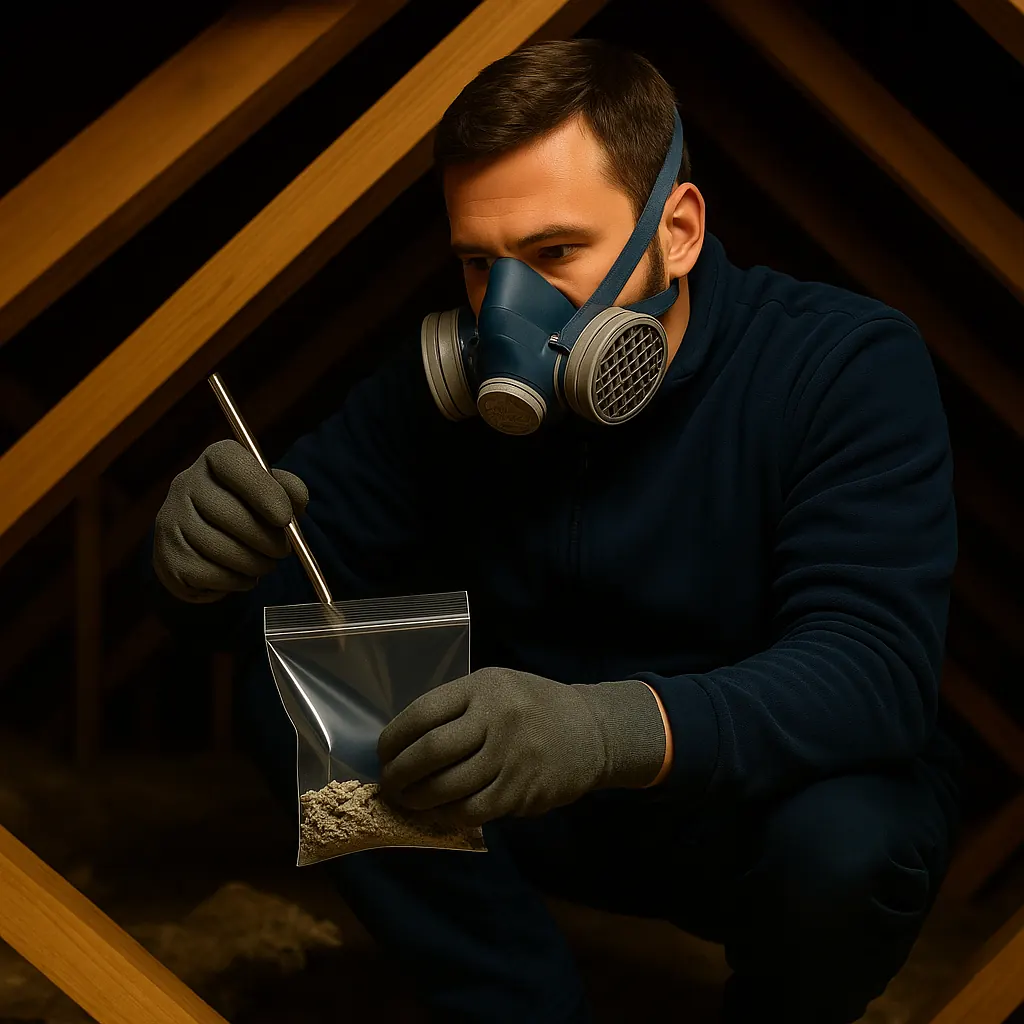
Removing an asbestos textured coating means sealing off the room, keeping the coating wet and never sanding or scraping it dry. Whether it’s flaking textured ceilings and coatings damaged by DIY, we cover swirl patterns, coated plasterboard and Artex ceilings and more.
Ceilings in East End of London conversions can have more than one coating, so each may need testing. Work is planned to the Control of Asbestos Regulations 2012 and HSE guidance.
- Location
- East End of London (E1, E1W, E98)
- County
- Greater London
- Service
- Artex tested, then removed with wet methods
- Afterwards
- Test result and waste paperwork
- Quotes
- Written quote for your job
- Call
- 07833 053 749
- Page updated
- 26 October 2026
DIY and asbestos
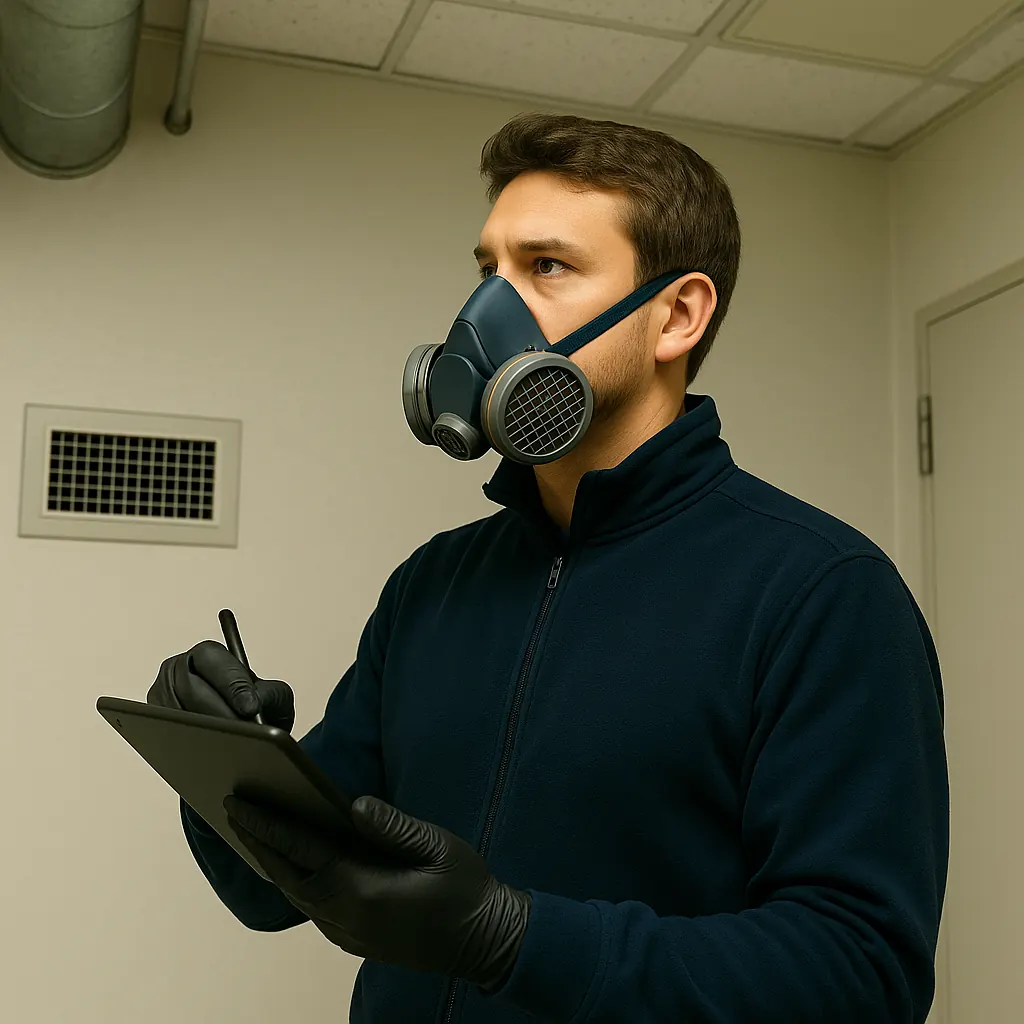
With a professional job, you get a record: a record that buyers, insurers and builders may want to see.
Found something mid-DIY? Stop: leave the area, don’t clean it up, and ask for advice.
What it costs
We base our quote on:
- Travel and parking
- How much there is
- How much waste there is
- The number of samples or the size of the building
The cost of Artex removal depends on the job: the materials involved, how much there is, access and paperwork. Every quote is individual.
Helping us quote
Photos often save us a visit:
- Approximate dimensions
- A clear close-up
- A wide shot showing where the material is
- Any labels or markings, if you can see them safely
Send us the address in East End of London, a description and some photos: call 07833 053 749 or use our quote form, and we will reply with a quote.
What we deal with in East End of London
People used Artex to cover cracks and uneven ceilings, and some included a little chrysotile.
These are the materials and situations that most often lead to Artex jobs:
- Rented flats before redecoration
- Ceilings due for rewiring or new downlights
- Ceilings due for plastering or skimming
- Flaking textured ceilings
If your home is one of the older properties in East End of London, near Church of St Mary or elsewhere, textured ceilings may date from an earlier renovation.
What to look for in a quote
- If the price includes VAT
- For licensed work, a valid HSE licence
- Which laboratory analyses samples
- What exactly is included: the areas, materials or samples
What’s included, and what isn’t
Every job has limits; these are the usual ones:
- Big jobs need notifying in advance, so allow time
- Other materials may need their own approach
- The room being worked on has to be empty and sealed off
Not sure what you need? Send us photos and we’ll tell you honestly before booking.
Materials in East End of London
- Coated plasterboard
- Swirl and stipple patterns
- Textured walls
- Ceiling roses and cornices (coated)
- Artex ceilings
- Patched or painted coatings
Nearby places to East End of London
Also in East End of London
Which option is right?
Skimming over Artex avoids disturbing it, but don’t sand it smooth first, and it remains in place. A test can sometimes save the cost of removal altogether, because the material is clear.
Why people choose us
- Identify first, remove only when needed
- Plain-English advice, including when to leave things alone
- Jobs planned to HSE guidance
- Covering London and the South East
Take a look at our prices page and our cost guide.
A closer look at the materials
Ceiling roses and cornices
Decorative mouldings are sometimes coated too.
Painted coatings
We sample through the paint into the coating.
After we’ve finished in East End of London
We clean the room and dispose of the waste legally, with a consignment note.
After we have finished:
- Clear the rooms before the work
- Send photos of the coatings
- Line up the plasterer for afterwards
- Keep pets away
What to avoid
Keep away from flaking or fallen coating.
Never sand or dry-scrape Artex before testing.
Artex removal around East End of London
East End of London is about 1 mile east of Whitechapel, in Greater London. East End of London is part of the area we cover, on everything from houses and flats to workplaces and garages. East End of London is one of 764 places in Greater London where we work.
A school like St Mary and St Michael Primary School should know from its asbestos register whether coatings have been tested, before decorators start. If you are refurbishing flats near Shadwell station, textured ceilings can be tested between tenancies.
Wherever your property is in E1, E1W and E98, Artex removal is available, from busy streets to quiet lanes. Local streets include New Road, Glamis Road and Steel's Lane; we cover every one. If your property is just outside East End of London, we also cover Stepney (1 mile north-east), Ratcliff (1 mile south-east), Wapping (1 mile south-west), St George in the East (1 mile south-west) and Shadwell (1 mile south-east). Within a short drive, we also work in City of Westminster (4 miles west), Marylebone (4 miles west), Kensington (6 miles west), St Pancras (3 miles west), Walthamstow (5 miles north) and Hampstead (6 miles north-west).
As a London location, East End of London is inside the ULEZ, and parking and loading need planning: tell us about parking, permits and access when you ask for a quote.
Nearby you’ll also find Tower of London (1 mile south-west) and Jack the Ripper Museum (0.6 miles south-west). Within reach you’ll find Tower Hill and Lavender Pond.
- Local schools include Bishop Challoner Boys' School (less than half a mile east) and St Mellitus College (within half a mile south-west)
- Nearby, you will find George Tavern (within half a mile east)
- Other local spots include Holy Trinity (0.8 miles north-east) and Bishopsgate Institute Special Collections and Archives (1.1 miles west)
The process
We wear disposable coveralls and suitable respirators, and keep the room closed while we work. We wear suitable protective equipment for the job, and keeps dust to a minimum.
- Send photos of the textured surfaces
- We arrange testing
- We explain your options: leave, cover or remove
- We carry out the removal
- We dispose of the waste legally
How to prepare
- Ensure pets and children are elsewhere
- Find any old asbestos reports
- Leave the suspect material alone until we arrive
Ask for a quote
Every job is quoted in writing. Call 07833 053 749 or use our quote form with the details, including any survey or test you already have.
Related guides
FAQs for East End of London
Do older homes in East End of London have asbestos?
That depends on when it was built and altered: asbestos was used until the 1999 ban, so older homes and older alterations in East End of London can contain it. Look at garage roofs, textured ceilings, old floor tiles, soffits and flues.
Do you work in East End of London despite London parking restrictions?
Yes, we work across London. Tell us about parking, permits and access so we can plan.
Is Artex removal licensed work?
Normally not: HSE’s code of practice says textured coating work is not normally licensable, but larger-scale steam or gel removal must be notified first.
What does licensed work mean?
Higher-risk materials need an HSE-licensed contractor. Cement and textured coatings typically are not licensed.
Can I sand my Artex ceiling smooth?
Not until it’s been tested. Sanding or dry scraping an asbestos coating releases fibres.
Is it better to remove the coating or the ceiling?
It depends on the room and the condition of the ceiling. We will advise for each room.
Can I put asbestos in a skip?
Never: it’s hazardous waste. We take it to a permitted site with paperwork.
What if asbestos is found during building work?
The builder should stop and close off the area. We can test the material and, if needed, plan its removal.
- Nothing removed blind: unknown materials are tested first
- Work planned to the Control of Asbestos Regulations 2012 and HSE guidance
- Written paperwork: reports, results and waste consignment notes
- Asbestos waste double-bagged or wrapped and taken to a permitted site