Kent · England
Asbestos Removal for Chestnut Street
Worried about asbestos in Chestnut Street? Our service covers asbestos removal with waste paperwork, with clear advice at each step.
- Old flues
- Debris left from a previous job
- Finds during refurbishment
Asbestos help in Chestnut Street
Which option is right?
Sealing or enclosing is sometimes possible, but it remains in place and has to be recorded. Dealing with asbestos before building work is normally cheaper than finding it mid-job, when the whole project can be held up.
Why people choose us
- Plain-English advice, including when to leave things alone
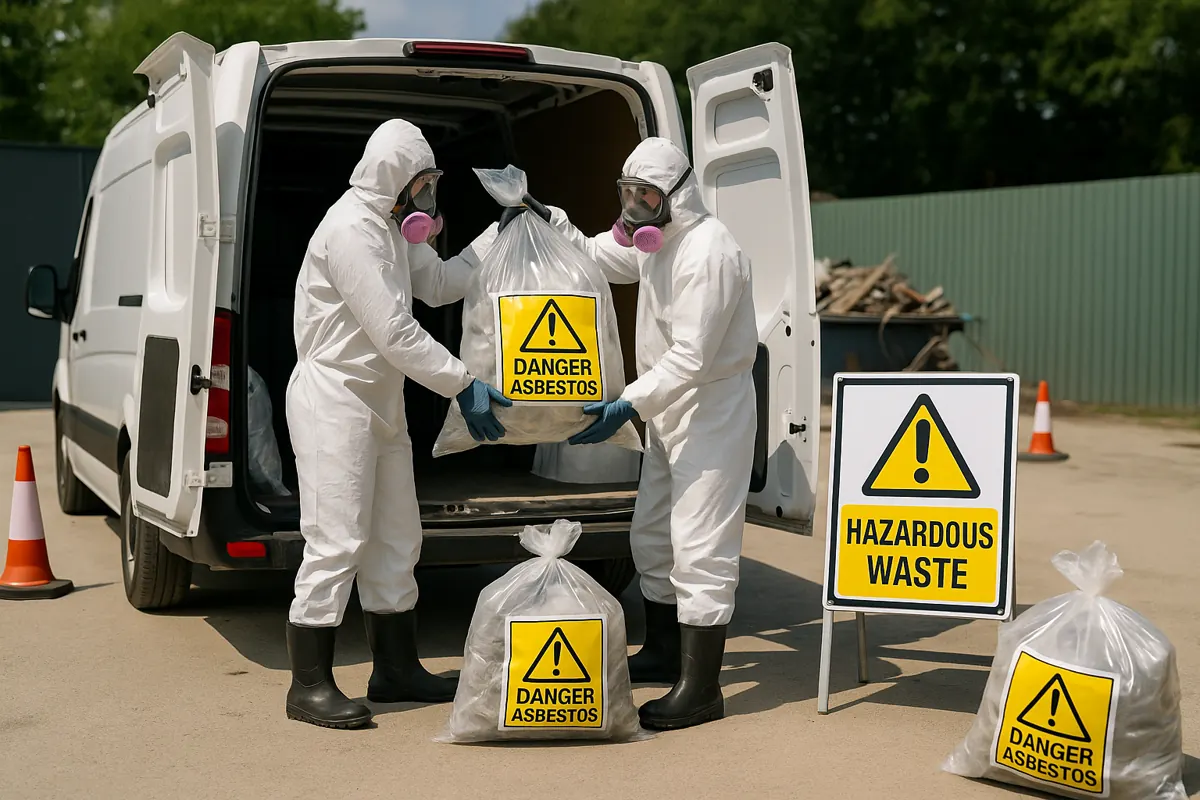
- Waste taken to a permitted site with a consignment note
- Identify first, remove only when needed
- Quotes that spell out the scope
See our prices page or the cost guide.
Asbestos removal in Chestnut Street
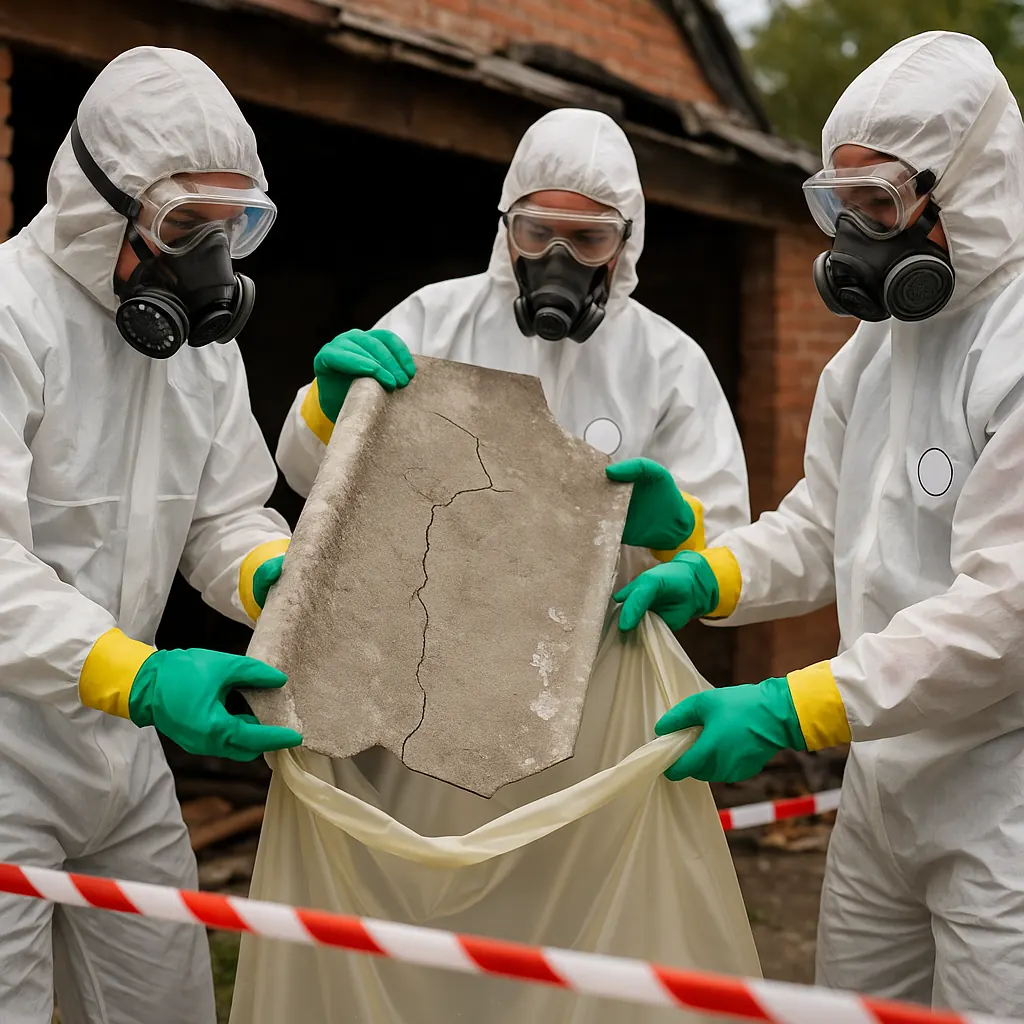
Much of the asbestos found in homes is asbestos cement, textured coating or floor tiles. HSE treats work on these as non-licensed or notifiable non-licensed in most cases, but it still needs the right controls. Typical jobs include finds during refurbishment and garage roofs and whole garages, involving cement roof sheets, gutters and downpipes and textured coatings.
In places like Chestnut Street, outbuildings and farm buildings are common removal jobs, so we plan access across yards and fields. Every job comes with paperwork, because buyers, landlords and builders often ask for it.
- Area
- Chestnut Street (ME9)
- Area hub
- Kent
- What we do
- Asbestos removal to HSE guidance
- You receive
- Waste consignment note
- Price
- A written quote before work starts
- Telephone
- 07833 053 749
- Updated
- 26 October 2026
The process
Once removal is finished, we clean and check the area. Before we start, we walk through the job with you and answer any questions. Outdoor removal in Chestnut Street is planned to finish in daylight: that means by about 3:50pm in December, or about 9:15pm in June.
- Get in touch with the details of the job
- We work out what category the work falls into
- We book the work and notify if required
- We set up the work area and remove the material
- We dispose of the waste legally and send the paperwork
Before we arrive
- Ensure pets and children are elsewhere
- Do not disturb the material before we get there
- Let neighbours know if the work is near them
Getting a price
Tell us about the material, its location and your plans. Use our quote form or call 07833 053 749.
Related guides
Typical removal jobs in Chestnut Street
Refurbishment and demolition are the most common reasons for removal: anything the work would disturb should be dealt with first.
These are some of the things we deal with in Chestnut Street:
- Garage roof sheets
- Finds during refurbishment
- Outbuildings with cement roofs
- Old flues
In older buildings across Chestnut Street, asbestos may be in later additions, so we identify materials before planning removal.
Before you book anyone
- Whether the work is licensed, notifiable non-licensed or non-licensed
- Whether VAT is included
- How fibres will be kept down
- That samples are analysed by an accredited laboratory
Prices and what affects them
The biggest factors in the price are:
- How many samples are needed
- Waste quantity and disposal
- The quantity or area
- Parking and access charges
Every quote says whether VAT is included.
Photos that help
For a quick quote, include:
- How we’d reach it
- Approximate dimensions
- The parking area
- Any labels or markings, if you can see them safely
For a quote, fill in the enquiry form or give us a call on 07833 053 749. Include the postcode, the material and some photos.
Landlords, managing agents and employers
Schools, halls and community buildings are non-domestic premises, so whoever runs them has a duty to manage asbestos.
Contractors working for you need asbestos information before they start. HSE’s campaigns stress this point to building owners and trades alike.
Places near Chestnut Street
What else we do in Chestnut Street
FAQs for Chestnut Street
Do you work on properties in the Kent Downs National Landscape?
Yes. The asbestos rules are the same in protected landscapes, but access to farm and rural buildings can take planning.
Do older homes in Chestnut Street have asbestos?
Homes built or refitted before 2000 can. The only way to know is to test suspect materials. Look at garage roofs, textured ceilings, old floor tiles, soffits and flues.
Can you quote from photos?
Many jobs can be quoted from photos, though some need a visit first.
Can asbestos go in my bin?
No. Asbestos is hazardous waste and must go to a site that accepts it. We take it to a permitted site with paperwork.
Is asbestos dangerous?
It can be, if fibres are released and breathed in. The related diseases often take decades to develop, which is why it’s identified before work.
Does weather affect the work?
Indoor work is not affected. Outdoor roof work can be delayed by strong wind or heavy rain.
Can you help with a flat?
We do. For shared areas, the managing agent or freeholder holds the asbestos information.
Do you work for landlords and businesses?
Yes: homeowners, landlords, managing agents, businesses and contractors. Tell us about the property and what you need.
What we do and don’t cover
Every job has limits; these are the usual ones:
- Making good is normally a separate job
- Bad weather can affect outdoor removal
- Unidentified materials are tested before removal is planned
Not sure what you need? Send us photos and we’ll tell you honestly.
Materials in Chestnut Street
- Soffits (cement)
- Artex and textured coatings
- Water tanks
- Bitumen roof felt
- Flue pipes
- Asbestos cement sheets
- Gutters and downpipes
- Garage and shed roofs
- Floor tiles and adhesive
- Panels and boards
Afterwards
Unexpected finds are discussed with you before we carry on, because the plan may need to change.
After we have finished:
- Keep children and pets away on the day
- Tell neighbours if the work is close to their property
- Share any survey or test results
- Move belongings away, but leave the asbestos alone
Things not to do
Don’t jet-wash, sand, drill or cut asbestos materials.
Deal with asbestos before the builders start.
Doing it yourself?
Working on a fragile asbestos cement roof is dangerous in itself, as well as an asbestos risk, so never climb onto one.
Home testing kits exist, but you have to disturb the material to use one. HSE recommends a competent person takes samples.
Asbestos removal in Chestnut Street: local notes
Chestnut Street is about 2 miles west of Sittingbourne, in Kent. We cover Chestnut Street as part of Kent, for removal jobs of every size. We work in 922 places across Kent, from the larger towns to small villages. Our area stretches from Chestnut Street to Canterbury (17 miles away).
Landlords near Newington station often time removal for when a property is empty. At a school such as Borden Church of England Primary School, removal would be arranged with the duty holder, with the area empty. Parts of the Kent Downs National Landscape are within about 6 miles of Chestnut Street; removing asbestos from rural buildings there follows the same rules, with access across yards and fields to plan.
We carry out removal jobs all over the ME9 postcode area and the streets around it. From Chestnut Street, Maidstone Road and Chestnut Wood Lane or anywhere nearby, the process is the same. Neighbouring places we cover include Keycol (1 mile north), Bobbing (1 mile north-east), Danaway (1 mile south-west), Oad Street (1 mile south) and Newington (1 mile north-west). Further out, we also cover Maidstone (9 miles south-west), Gravesend (15 miles north-west), Whitstable (15 miles east), Faversham (9 miles east), Minster (7 miles north-east) and Kings Hill (13 miles west).
Other landmarks nearby include Court Hall Museum (1.9 miles east) and Sittingbourne and Milton Urban District (1.9 miles east).
- Schools near Chestnut Street include Westlands School (0.9 miles east)
- Identify it first: we test or survey before planning removal
- Planned to HSE guidance and the Control of Asbestos Regulations 2012
- Everything in writing: quotes, reports, results and waste notes
- Waste sealed and labelled, then taken to a permitted site