Greater London · England
Asbestos Removal in Little Stanmore
Asbestos removal across Little Stanmore, for houses, flats and commercial buildings. Every job is quoted in writing.
- Finds during refurbishment
- Outbuildings with cement roofs
- Broken sheets in gardens
Need asbestos removal in Little Stanmore?
Asbestos removal near Little Stanmore
Much of the asbestos found in homes is asbestos cement, textured coating or floor tiles. HSE treats work on these as non-licensed or notifiable non-licensed in most cases, but it still needs the right controls. We often deal with textured coatings, cement roof sheets and floor tiles, and people usually contact us about old floor tiles and black adhesive and broken sheets in gardens.
In Little Stanmore, removal often involves flats, small gardens and limited access, so we plan parking, access and the route for the waste. We explain what we find in plain English, including when leaving a material alone is the sensible choice.
- Area
- Little Stanmore (HA8, HA7)
- Area hub
- Greater London
- What we do
- Removal and disposal of asbestos materials
- Afterwards
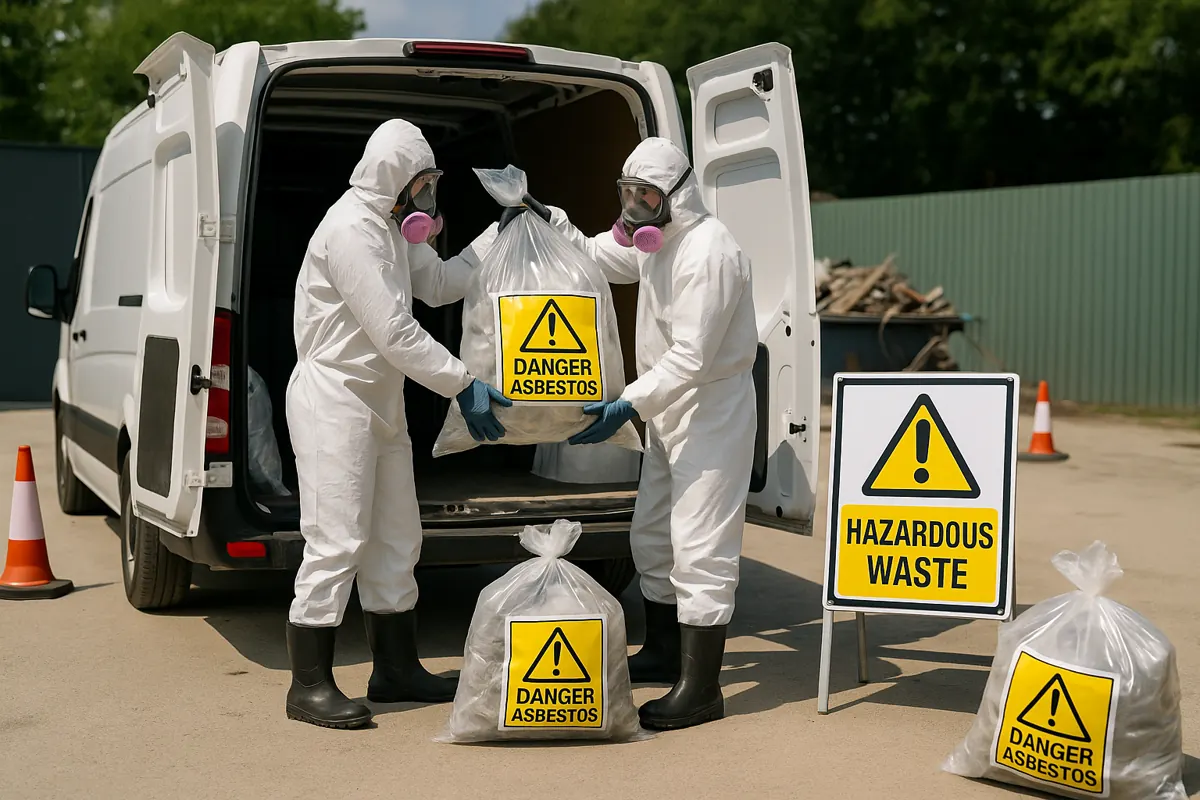
- Consignment note for the waste
- Price
- Written quote for your job
- Telephone
- 07833 053 749
- Last updated
- 26 October 2026
Removal jobs in Little Stanmore
Little Stanmore is about 1 mile south-east of Stanmore, in Greater London. Wherever your property is in Little Stanmore, tell us the postcode and what you need, and we’ll quote. We work in all 764 towns and villages in Greater London, from the larger towns to small villages. Our area stretches from Little Stanmore to London (11 miles away).
Landlords near Mill Hill Broadway station often time removal for when a property is empty. In older properties in Little Stanmore, it’s often extensions and refits that contain asbestos, so we identify materials before planning removal.
We handle removal jobs in every part of the HA8 and HA7 postcode area and the streets around it. We can help with removal jobs on streets such as Mead Road, Tenby Road and Bacon Lane or the roads around them. Close by, we cover Canons Park (1 mile north-west), Edgware (1 mile north-east), Burnt Oak (1 mile east), The Hale (1 mile north-east) and Broadfields Estate (2 miles north). Within a short drive, we also work in London (11 miles south-east), City of Westminster (8 miles south-east), Marylebone (8 miles south-east), Kensington (8 miles south-east), St Pancras (9 miles south-east) and Shoreditch (10 miles south-east).
Little Stanmore is in London, inside the Ultra Low Emission Zone, where parking and loading can be restricted: tell us about parking, permits and access when you ask for a quote.
Nearby you will also find Municipal Borough of Hendon (2.7 miles south-east) and Cat Museum (2.4 miles west). The countryside around Little Stanmore includes Mill Hill Old Railway Nature Reserve and Darland's Lake.
- Nearby schools include The Northgate School (0.5 miles east)
- Pubs nearby include Railway Hotel (0.5 miles north-east)
How we work
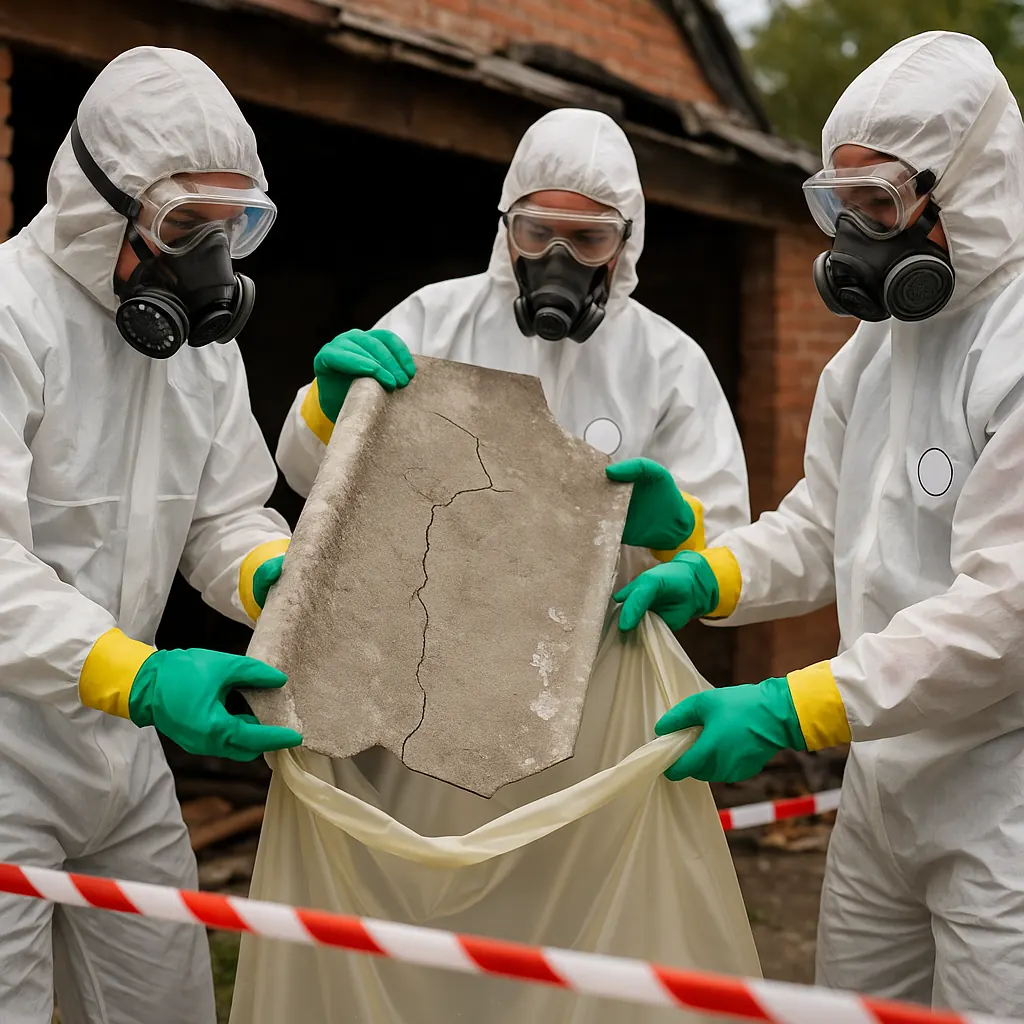
We unfix materials and take them out in whole pieces where we can, never broken up, dropped or cut with power tools. Our team uses the right protective equipment, and use controls to keep dust down. We plan outdoor jobs in Little Stanmore to finish before dark: in late December it’s dark by about 3:55pm, while in June it stays light until about 9:20pm.
- Describe the material and send pictures
- We identify it if needed and plan the method
- We send a quote covering the work and the waste
- We remove it with controls to keep fibres down
- We clean up and send you the waste paperwork
How to prepare
- Move things out of the way carefully
- Keep away from the material in the meantime
- Keep the area clear of children and pets
Getting a price
Photos and a postcode help us quote quickly: just send photos through our quote form, or phone 07833 053 749.
Read more
Common questions in Little Stanmore
Do you work in Little Stanmore despite London parking restrictions?
Yes, we work across London. Tell us about parking, permits and access so we can plan.
Do older homes in Little Stanmore have asbestos?
If your home in Little Stanmore was built or refurbished before 2000, it may, but only a test can confirm it. Garage roofs, Artex, floor tiles, soffits and flues are typical examples.
Do you need to see it before quoting?
Photos are often enough to give a quote, though some need a visit first.
How dangerous is asbestos?
Asbestos is a hazard when its fibres get into the air. The related diseases often take decades to develop, which is why it’s identified before work.
What’s the difference between a test and a survey?
Testing tells you about particular materials; a survey inspects the whole building or work area and records everything it finds.
I think I’ve damaged asbestos. What now?
Get everyone out of the area and keep it closed. Avoid sweeping, vacuuming or dusting, and ask for advice.
Which asbestos work needs a licence?
It covers the higher-risk materials: pipe lagging, sprayed coatings and most insulating board. It needs a contractor with an HSE licence.
Can you help with a flat?
Yes, of course. For shared areas, ask the managing agent about the asbestos register.
Places near Little Stanmore
What else we do in Little Stanmore
A closer look at the materials
Textured coatings
Textured coatings are removed with wet or gel methods, never dry-scraped or sanded. Large-scale steam or gel removal must be notified.
Floor tiles
Black bitumen adhesive may need treating separately.
What we deal with in Little Stanmore
Sometimes damage forces the issue, especially if broken material is lying around.
Typical jobs in Little Stanmore include:
- Floor tiles before a new floor
- Asbestos garages
- Broken sheets in gardens
- Finds during refurbishment
At a school such as Krishna Avanti Primary School, removal would be arranged with the duty holder, with the area empty.
What to look for in a quote
- Where the waste goes, with paperwork
- VAT, clearly stated
- Which areas and materials are covered
- How the work will be done, and the controls used
Afterwards
If anything turns up during removal that wasn’t expected, we stop and tell you, as the method may need to change.
Keeping things safe:
- Move belongings away, but leave the asbestos alone
- Keep the waste paperwork safe afterwards
- Make sure pets and children are elsewhere
- Photos of the material and the route in help
What to avoid
Never pressure-wash, sand or cut asbestos.
Ask any contractor how they’ll dispose of the waste.
Good to know
It’s worth knowing what asbestos removal does and does not cover:
- Licensed materials such as lagging, sprayed coatings and most insulating board must be removed by an HSE-licensed contractor
- Removal in strong wind or heavy rain may need rescheduling
- Some jobs must be notified first, so the timing needs planning
If in doubt, ask: we’ll recommend a test, a survey or removal before booking.
Materials in Little Stanmore
- Water tanks
- Panels and boards
- Flue pipes
- Artex and textured coatings
- Asbestos cement sheets
- Gutters and downpipes
- Bitumen roof felt
- Garage and shed roofs
- Floor tiles and adhesive
- Soffits (cement)
Prices and what affects them
Our quotes take into account:
- How many samples are needed
- Whether the work is non-licensed, notifiable or licensed
- How much there is
- How much waste there is
Every quote says whether VAT is included.
What to photograph
When you send photos, these help most:
- A wide shot showing where the material is
- A closer photo of the material, without touching it
- Cracks or breaks
- An idea of size
You’ll get a written quote. Call 07833 053 749 or use our quote form with the details.
Landlords, managing agents and employers
Letting agents often ask about asbestos before maintenance work. A test or a survey gives everyone a clear answer.
If you’re responsible for a non-domestic building or the common parts of flats in Little Stanmore, you have a duty to manage asbestos under the Control of Asbestos Regulations 2012. That means finding it, assessing it, recording it and planning how to manage it.
DIY and asbestos
Power tools, sanding and jet-washing release the most fibres, so avoid them completely.
DIY sampling means disturbing the material yourself. HSE recommends a competent person takes samples.
- Nothing removed blind: unknown materials are tested first
- Done to the regulations: HSE guidance and CAR 2012
- Everything in writing: quotes, reports, results and waste notes
- Legal disposal at a permitted site, with a consignment note